
Nutrition · Puppies under one year
What should you feed a Xoloitzcuintli puppy if you do not want to use kibble?
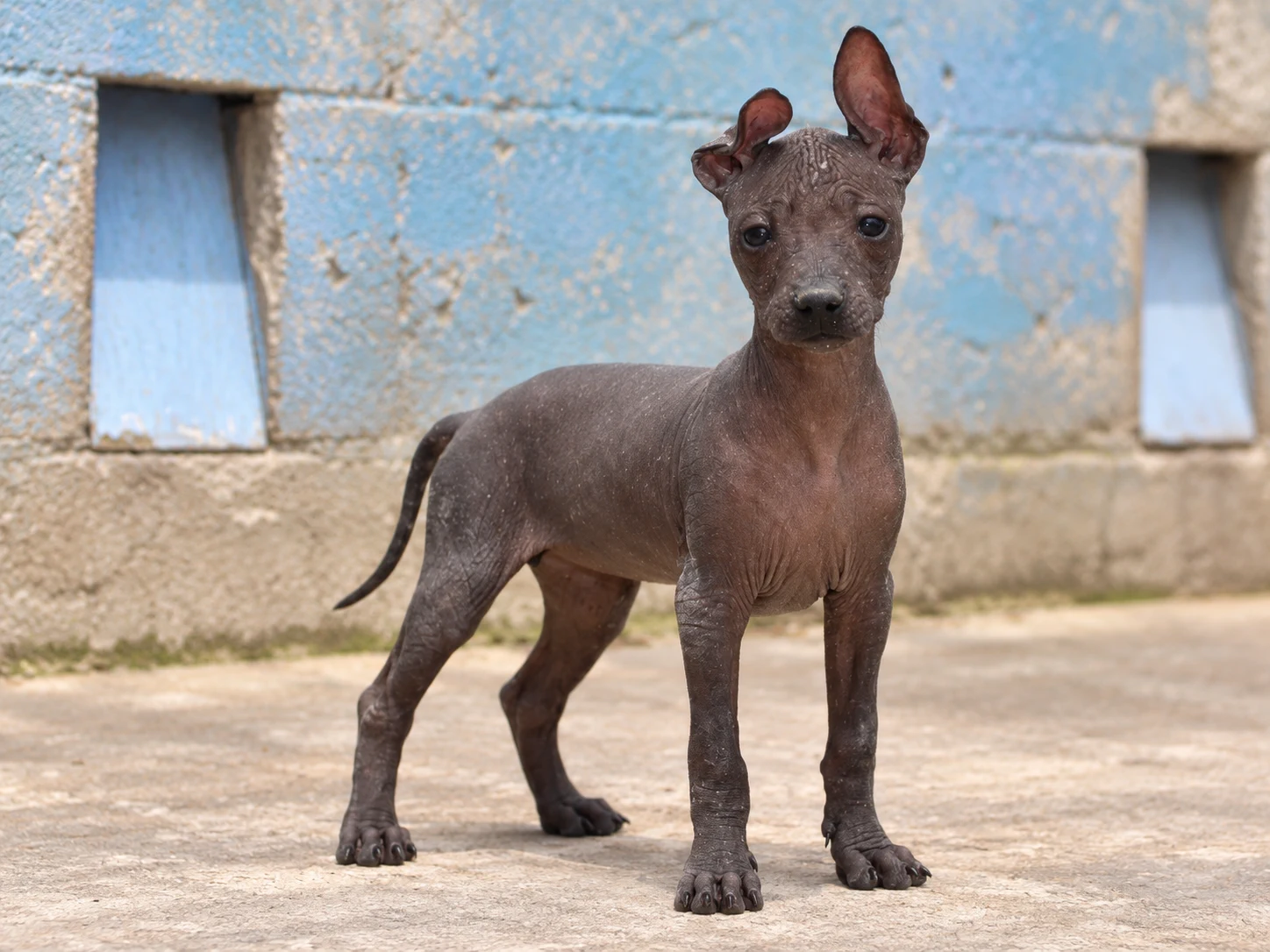
Some families prefer not to feed kibble. That choice does not mean a puppy should automatically live on chicken and rice or switch to an improvised raw diet. During the first year, the central issue is whether the food supplies all nutrients needed for growth: energy, protein, fat, vitamins and minerals in appropriate amounts and ratios.
Does a Xoloitzcuintli need a special “Xolo diet”?
There is no single scientifically established “Xolo diet” that replaces normal canine growth nutrition. Age, size, current weight, body condition, activity level, digestive tolerance and health status matter more than breed alone.
Some hairless Xoloitzcuintli have fewer teeth. For those individuals, wet, cooked or softer textures may be easier to eat than very hard food, but texture does not change the need for a nutritionally complete growth diet.
Best non-kibble options for a growing puppy
Why chicken and rice is not a complete diet for the whole first year
Cooked chicken, turkey, beef, fish, egg, rice, oats, potato, sweet potato and some vegetables can all be ingredients in a properly formulated diet. The problem begins when ingredients are combined by eye and become the puppy's daily food for weeks or months.
Meat-heavy diets can be high in phosphorus and low in calcium. During growth, the balance between calcium and phosphorus is especially important for skeletal development. For the same reason, adding calcium powder, multivitamins or mineral supplements “just in case” to an already complete food can also create problems.
What about BARF or raw feeding?
For puppies, it is not our default recommendation. Raw diets can carry bacterial and parasitic contamination risks, and bones can cause fractured teeth, constipation or gastrointestinal obstruction. A homemade raw diet can also be deficient or excessive in important minerals and micronutrients during the life stage in which nutritional errors matter most.
If a family chooses raw feeding despite these risks, it should be based on a professionally formulated growth diet and include a specific conversation with the veterinarian about hygiene, stool handling, vulnerable people in the household and ingredient safety.
How many meals per day?
As a general guide, puppies from weaning to about six months are commonly fed three meals per day; from six to twelve months, two meals per day. Some miniature puppies may do better with smaller, more frequent meals.
The exact amount should not come from a generic internet chart alone. Monitor body weight, body condition, growth rate and the calorie content of the chosen food. Faster growth is not necessarily better growth.
How to read the label on wet or fresh food
Look for a nutritional adequacy statement. On products using AAFCO standards, it should state that the food is formulated or tested for growth or all life stages. On foods using FEDIAF standards, look for the equivalent statement indicating a complete puppy/growth food.
Do not use products labeled “complementary,” “intermittent,” “topper,” “snack” or “treat” as the main daily diet. They can be useful additions, but they are not a substitute for complete growth nutrition.
What can be used as a topper or extra?
In small amounts: plain cooked chicken or turkey without bones or seasoning, fully cooked egg, cooked boneless fish, or small portions of other dog-safe foods can improve acceptance of a complete diet.
These extras should not displace most of the calories from the complete food. If the puppy starts waiting for toppings and refuses the balanced base diet, simplify the routine again.
Foods that should stay out of the bowl
Known hazards for dogs include chocolate and caffeine, grapes and raisins, onion, garlic and chives, xylitol, alcohol and macadamia nuts. Raw or cooked bones can also cause injury or obstruction.
What if the puppy simply refuses food?
If the issue is not the family's feeding preference but the puppy actively refusing food, distinguish pickiness from a possible medical problem. Constantly changing foods can unintentionally reinforce selective eating.
Gently warming wet food, adding a little warm water and keeping consistent meal times can improve acceptance. Diet changes should ideally be gradual over several days.
If refusal persists or comes with vomiting, diarrhea, lethargy, pain, abdominal swelling or weight loss, the puppy should be examined by a veterinarian.
A simple Xolos Ramírez checklist
- Choose a complete and balanced growth diet as the nutritional base, even when it is not kibble.
- Divide the daily ration into age-appropriate meals.
- Weigh the puppy regularly and monitor body condition.
- Do not add calcium or mineral supplements to a complete diet unless specifically prescribed.
- If you want to cook every meal at home, obtain an individualized recipe from a veterinary nutrition professional and follow it exactly.
- Use meat, egg and other extras as additions, not as replacements for the complete diet.
This article is educational and does not replace an individual veterinary assessment. Puppies with poor growth, low body weight, digestive disease, suspected food reactions or other medical needs require a specific plan.
For broader background, see our Xoloitzcuintli nutrition by life stage guide.